Southwest Oklahoma Homebuyer's Guide: From Pre-Approval to Closing
Think you need 20% down to buy a home? Think again.
Buying a home doesn't have to be overwhelming. The whole process, from your first pre-approval conversation to the moment you get the keys, is a series of steps. Once you know what each step looks like, the mystery goes away and the confidence shows up.
I'm Travis Wright, a REALTOR® with eXp Realty in Lawton, Oklahoma. I help first-time buyers, repeat buyers, and military families relocating to Fort Sill, along with anyone moving to Southwest Oklahoma from out of state. I've lived here my whole life, and I know Lawton, Elgin, Cache, Fletcher, Sterling, Medicine Park, and the communities around Fort Sill from the ground up.
This guide walks you through the entire journey in the order you'll actually experience it: getting pre-approved, finding homes, making an offer, inspections, appraisal, and finally closing day. Along the way I'll show you where a good agent earns their keep, and where the process is simpler than it looks.
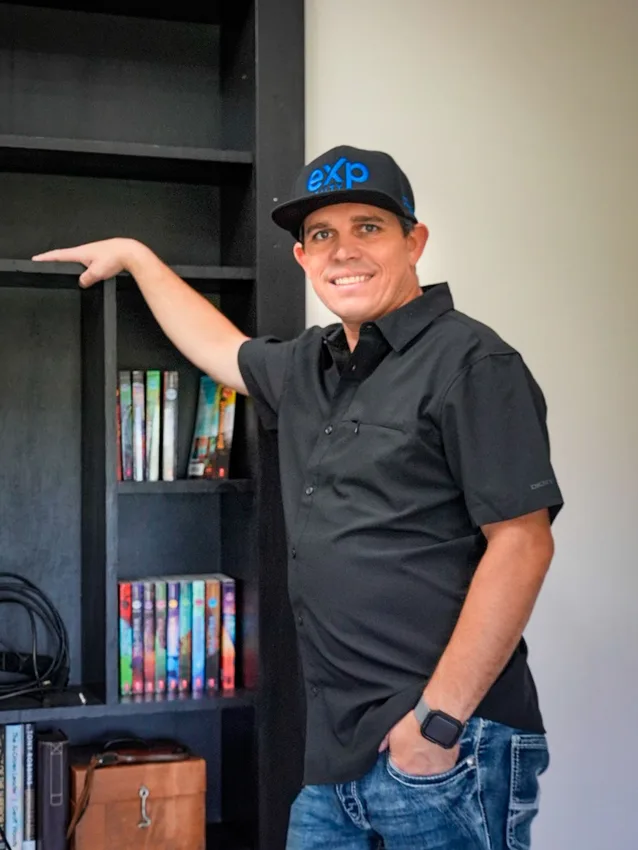
Travis Wright
REALTOR® · eXp Realty · Lawton, OK
OK License #206164 · (580) 647-0915
Straight answers, no pressure. That's how I work with every buyer.
What's inside
Jump to any step of the process. Each section builds on the last, so you can read straight through or skip ahead to whatever question brought you here.
- 1 Getting Pre-Approved
- 2 Finding Homes and Scheduling Showings
- 3 Making an Offer
- 4 Understanding Earnest Money
- 5 Home Inspections
- 6 Negotiating Inspection Repairs
- 7 Appraisal and Underwriting
- 8 Clear to Close and Closing Day
- 9 Home Loan Options
- 10 Working With a Buyer's Agent
- 11 First-Time Homebuyer Tips
- 12 Frequently Asked Questions
Getting Pre-Approved
The single biggest mistake I see buyers make is falling in love with a home before they know what they can realistically buy. Pre-approval fixes that before it ever becomes a problem.
Why pre-approval comes before house hunting
When you get pre-approved before you start looking, you walk into the market with three real advantages: you know your budget, sellers and listing agents take your offer seriously, and you avoid the heartbreak of finding the perfect home that's out of reach.
What lenders generally review
- Income and employment history
- Credit history and credit score
- Debts and monthly obligations
- Funds for the down payment and closing, like savings, accounts, and any gifts
- A few other details depending on the loan program
Expect to provide documents like pay stubs, tax returns, and bank statements. That's normal, not a red flag. The more organized you are, the smoother the whole process goes.
Pre-qualification vs. pre-approval
A pre-qualification is a quick estimate based on information you provide. A pre-approval goes further: the lender reviews your documents, checks your credit, and confirms how much you can borrow. Pre-approval is the stronger step, and the one that matters most when it's time to make an offer.
Know your comfortable payment, not just your max
The number a lender approves you for is a ceiling, not a target. When I help buyers figure out a comfortable monthly payment, we look at the whole picture: the mortgage payment, property taxes, insurance, utilities, maintenance, and the everyday costs that come with homeownership. A payment that fits your real life beats a payment that only fits on paper.
Ask me and I'll connect you with trusted local lenders who know VA, FHA, USDA and conventional loans.
Direct answer: get pre-approved before you shop. It sets your budget, strengthens your offers, and saves you from wasting time on homes that were never in range.
Finding Homes and Scheduling Showings
Once your budget is clear, the fun part starts: finding homes. But the goal isn't to see everything. It's to see the right things.
How Travis helps you narrow the search
I start by listening. Where do you work? What does your commute need to look like? Do you want a yard, a garage, or a quiet street? Are you growing a family, downsizing, or starting fresh? Then we build the search around your answers, not around the biggest list of houses. We filter by your needs, your budget, and the lifestyle you actually want.
A good search starts with the right area. Start with the Small Towns hub or jump straight to a town guide:
For Fort Sill PCS buyers, the Fort Sill relocation guide covers timelines and area tradeoffs in more depth, and the buying guidance page ties it all together.
Private showings
When you tour a home, it's usually a private showing with me, not a crowded open house. That means you can take your time, ask questions out loud, open the closets, and get my honest read on the property. I'm not there to sell you the house. I'm there to help you figure out if it's the right fit.
Evaluate against your life, not against the listing
- How does the layout match your daily routine?
- What would need work now versus later?
- Does the neighborhood context fit how you actually live?
- How does it compare with other homes at the same price?
Why online listings aren't the whole story
Online listings are a starting point, not the final answer. Photos are flattering, room sizes can read differently in person, and condition, noise, traffic, and neighborhood feel never make it into a description. Part of my job is to fill in what the listing can't show you, including questions I can ask the listing agent on your behalf.
Considering a new build instead of a resale? The new construction hub covers the builder side of the process, and the Elgin new construction guide digs into move-in-ready builds in the area.
Making an Offer
Found the one? Now it's time to put your money where your search has been. An offer is more than a price.
What goes into a purchase offer
A purchase offer includes the price, the closing date, the earnest money, and the terms of the deal. It also includes contingencies: the conditions that protect you, like the home passing inspection, the appraisal coming in at value, or your financing coming through.
Negotiating price and terms
Price matters, but so do terms. A seller might accept a slightly lower price in exchange for a flexible closing date, or hold firm on price while agreeing to terms that matter to you. Every deal is a combination of price and terms, and the best combination depends on the house, the seller, and your situation.
How Travis helps you weigh your options
When it's time to write an offer, I help you weigh the options: what's realistic for the market, what the property justifies, what terms protect you without scaring off the seller, and when it makes sense to hold firm versus move forward. You make the decisions. I make sure you're making them with the full picture.
Understanding Earnest Money
Earnest money sounds official, but it's simple: it's a deposit that shows the seller you're serious about buying their home.
What it is and why buyers submit it
When your offer is accepted, you typically submit earnest money along with it. It tells the seller, "I'm serious, and I'm putting skin in the game while we work through inspections and financing."
How it's held and credited
Earnest money is generally held by a neutral third party, often a title company, until closing. At closing, it's typically credited back to you as part of the transaction, counting toward your down payment or closing costs. In other words, it's your money, doing work for you.
When it may be refundable or at risk
Whether earnest money comes back to you depends on the contract and the reason the deal doesn't close. If a contingency protects you, like a failed inspection or a financing issue, the earnest money generally returns to you. If the buyer walks away for reasons the contract doesn't protect, it may be at risk. The contract spells this out, and I'll make sure you understand what you're agreeing to before you sign.
Ready to see the process in action?
Grab the free guide to work through your own plan step by step, then book a no-pressure consultation to talk through your timeline, budget, and the areas that fit your life.
Home Inspections
The inspection is where a home's story gets told, including the parts nobody put in the listing.
Why inspections matter
A home inspection is an independent, professional look at the property's condition. It covers the big systems: the roof, foundation, HVAC, plumbing, electrical, and more. For the price of one inspection, you get a much clearer picture of what you're actually buying.
What inspectors commonly find
Almost every home has something. Common findings include aging roofs, worn HVAC systems, minor plumbing issues, electrical quirks, and small signs of water intrusion. None of that means the home is bad. It means you know what you're getting into before you commit.
It's not a pass-or-fail test
Here's the thing about inspections: they're not pass or fail. There is no perfect report, and the inspector isn't grading the home. The report is a condition snapshot. The question isn't "does this house have issues?" Every house does. The question is "are these issues acceptable to you, and are they worth the price?" An inspection turns guesswork into information, and information is what good decisions are made of.
Think of an inspection report like a grocery receipt: nobody loves every line, but it tells you exactly what you're paying for.
Want the full walkthrough? The home inspection guide in the Learning Center goes deeper.
Negotiating Inspection Repairs
So the inspection found a few things. Now what? This is where the negotiation gets real, and it's one of the most valuable parts of having an experienced agent on your side.
How repair requests work
After the inspection, we can submit a written request to the seller asking for repairs or a credit. This happens within the contract's inspection deadline, so timing matters. We're not asking for a perfect house; we're asking for the issues that matter.
What buyers may negotiate
Depending on the contract and the findings, buyers may negotiate repairs, a credit toward closing, or a price adjustment. Safety issues and major system problems are the most common things to address. Cosmetic preferences usually stay on the buyer.
Sellers aren't required to fix everything
Important reality check: sellers aren't automatically required to fix everything the inspector finds. They can agree, counter, or decline. What they choose depends on the market, the contract, and how reasonable the request is. That's negotiation, not a demand list.
How Travis evaluates repair concerns
I help you separate the must-fix from the nice-to-fix, weigh the cost of repairs against a credit, and present the request in a way that's firm but fair. My goal is to protect your interests without sinking a good deal over a light switch. We prioritize what matters and negotiate the rest.
For a deeper look, the article on negotiating repairs after a home inspection walks through the whole process.
Appraisal and Underwriting
While the inspection digs into the home, your lender is digging into the deal. Two things happen around the same time: the appraisal and underwriting.
What an appraisal is
An appraisal is an independent estimate of the home's value, ordered by your lender. It confirms the home is worth what you've agreed to pay. If the appraisal comes in at or above the purchase price, great. If it comes in low, we talk through your options together.
Why lenders require one
Lenders need the property to support the loan. The appraisal makes sure the lender isn't lending more than the property is worth. Think of it as the lender's version of kicking the tires.
What underwriting means
Underwriting is the lender's full review of your loan file: income, debts, credit, assets, and everything else needed to make a final decision. It's the last big check before approval.
Why lenders sometimes ask for more documents
It's completely normal for the underwriter to ask for additional documentation, like a newer pay stub, a bank statement, or an explanation for a deposit. It can feel annoying, but it's routine. The faster you respond, the faster the process moves.
Avoid major financial changes before closing
This is the one I repeat to every buyer: don't make big financial moves between the offer and closing. No new car loans, no new credit cards, no large purchases, no switching jobs. Lenders check your finances again before closing, and surprises can delay or derail the deal. If something big comes up, tell me and tell your lender before it becomes a problem.
Clear to Close and Closing Day
This is the good part. After weeks of paperwork, inspections, and negotiations, the finish line finally comes into view.
What "clear to close" means
Clear to close means your lender has approved your loan and you're cleared to finish the purchase. It's the green light. From there, everything moves toward one day: closing day.
Reviewing your closing documents
A few days before closing, you'll receive your closing documents, including the Closing Disclosure, which spells out the final numbers. Read them. Ask questions. Your closing agent and I will walk through the details so there are no surprises at the table.
The final walkthrough
Before closing, we do a final walkthrough of the home. We confirm the condition is what you expect, that agreed repairs were completed, and that the seller left things in the promised state. It's your last chance to look before you own.
Signing, keys, and the first walk into your new home
Then comes the paperwork: signing the loan documents and the deed, receiving the keys, and that first walk into your new home. It's a big moment, and it should feel exciting, because you did the work and it paid off.
The closing day guide in the Learning Center covers exactly what to expect at the table.
Home Loan Options
The loan you choose shapes your down payment, your monthly payment, and what the whole process feels like. Here's a plain-language look at the most common options for Southwest Oklahoma buyers. This is general education only: your lender is the one who confirms what you qualify for.
| Loan type | Down payment | Good to know |
|---|---|---|
| Conventional | Some programs offer down payments as low as 3%. | Down payment assistance may be available to eligible buyers. |
| FHA | Down payments may be as low as 3.5% for qualified borrowers. | Some buyers may qualify for assistance programs. |
| VA | Eligible military members and veterans may qualify for zero down payment. | Particularly relevant to Fort Sill buyers. |
| USDA | Eligible buyers purchasing qualifying rural properties may qualify for zero down payment. | Property location and household eligibility requirements apply. |
- Oklahoma down payment assistance programs, plus some local options, may help eligible buyers. A lender can confirm what you qualify for.
- Zero down payment does not necessarily mean zero closing costs. Plan for the expenses that come with closing day.
- Nothing on this page guarantees financing eligibility. Loan programs have requirements, and a lender confirms what applies to your situation.
Dig deeper: the VA loan hub, the USDA loan guide, and the FHA loan guide each cover the details.
Working With a Buyer's Agent
Buying a home is a team sport, and your agent is the one who keeps the whole thing moving.
What a buyer's agent does for you
- Builds the search around your real life, not just a price range
- Schedules and guides your showings
- Writes and negotiates the offer
- Coordinates the lender, inspector, and closing process
- Interprets documents and deadlines so nothing slips
- Keeps you from making an emotional decision at 9 p.m. over a listing photo
Buyer representation agreements
A buyer representation agreement is a contract that formalizes your working relationship with an agent. It spells out what the agent does for you, how long the agreement lasts, and how compensation works. Before you sign anything, ask questions and make sure you understand the terms. A good agent is happy to explain every line.
How buyer-agent compensation works
In many transactions, the seller agrees to pay the buyer's agent's compensation as part of the sale. That's common, but it's not guaranteed. Commissions are always negotiable, and sellers may agree to pay some or all of the buyer-agent compensation, or they may not. Any payment obligation you have depends on your agreement and the terms of the transaction. We'll talk through exactly how it works in your situation, clearly, before you commit to anything.
First-Time Homebuyer Tips
If this is your first home, welcome. You're about to make one of the biggest purchases of your life, and you don't have to know everything on day one. Start by unlearning these common misconceptions.
- You don't necessarily need 20% down. Some conventional programs allow down payments as low as 3%, FHA allows 3.5% for qualified borrowers, and eligible VA and USDA buyers may qualify for zero down.
- Closing costs are different from the down payment. They're separate expenses, so budget for both.
- Inspections matter, even on a newer home. New construction can have issues too.
- Pre-approval is an important early step. It sets your budget and makes your offers stronger.
- Down payment assistance may be available. Oklahoma programs and local options can help eligible buyers.
For more, the first-time home buyer guide and the first-time buyer myths video cover more ground.
A note on roles: this guide is general education, not a substitute for expert advice. Your lender confirms what you qualify for, your inspector reports on the home's condition, and your closing agent or title professional explains your documents. Travis coordinates the process and answers your questions, and the experts handle their specialties.
Frequently Asked Questions
The questions buyers ask me most, answered plainly. Your specific situation may vary, so ask away.
How much do I need for a down payment?
It depends on the loan program and your situation. Some conventional programs allow down payments as low as 3%, FHA loans may allow 3.5% for qualified borrowers, and eligible VA and USDA buyers may qualify for zero down payment. Down payment assistance may also be available. Your lender confirms the number that applies to you.
What's the difference between pre-qualification and pre-approval?
A pre-qualification is a quick estimate based on information you provide. A pre-approval is stronger: the lender reviews your documents and credit and confirms how much you can borrow. For serious house hunting and offers, pre-approval is the step that matters.
What are closing costs?
Closing costs are the expenses paid at closing beyond the down payment, including lender, title, and closing-related charges. They vary by transaction, and your lender and closing agent provide the exact numbers before closing.
Do I need a buyer's agent?
You're not required to use one, but buyer representation comes with real value: local market knowledge, showing coordination, offer strategy, negotiation, and someone to keep the process moving. In many transactions the seller pays some or all of the buyer's agent compensation, though that is never guaranteed.
How long does closing take?
Most purchases close within a few weeks to a couple of months after the offer is accepted. The timeline depends on financing, inspections, the appraisal, and how quickly everyone responds.
Can I use a VA or USDA loan?
Maybe, depending on your eligibility and the property. VA loans are for eligible service members and veterans, which is great context for Fort Sill buyers. USDA loans apply to qualifying rural properties with household eligibility requirements. A lender can explain exactly what applies to your situation.
What should I avoid doing before closing?
Avoid big financial changes: new loans, new credit cards, large purchases, or a job switch. Lenders recheck your finances before closing, and surprises can delay the deal. Keep your finances steady until the keys are in your hand.
Ready to start your Southwest Oklahoma home search?
"Grab the free guide to see the full process, then schedule a no-pressure consultation to talk through your timeline, budget, and target areas."
Let's find the right home for you.
Buying a home should feel exciting, not overwhelming. Whether you're a first-time buyer, relocating to Fort Sill, or moving to Southwest Oklahoma from across the country, I'll help you understand every step before you take it.
I know this area because I've lived here my whole life. I know the neighborhoods, the commute patterns, the builders, and the everyday rhythm of Lawton, Elgin, Cache, Fletcher, Sterling, and Medicine Park. I'll give you the truth about a home even when it's not what you hoped, because an informed buyer makes better decisions.
Travis Wright
REALTOR® with eXp Realty
1146 NW Cache Rd, Lawton, OK 73507 · OK License #206164

Equal Housing Opportunity · Oklahoma License #206164
Start your home search with a conversation.
Tell Travis where you are in the process and he'll follow up with the right next step for your situation. No pressure, no obligation.
Already requested the guide? Go to your download.