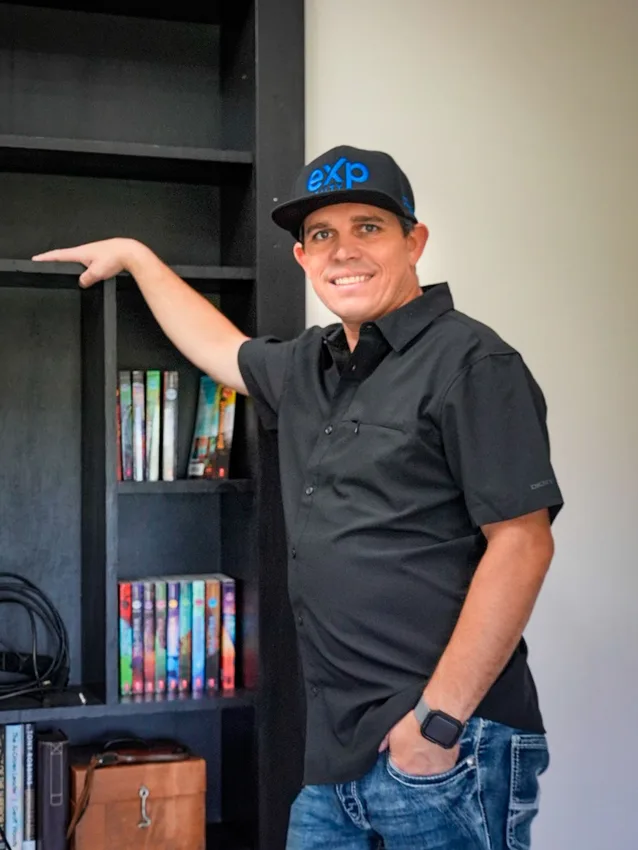
Travis Wright
Travis Wright is an eXp Realty ICON Agent and one of eXp Realty's Top 250 Individual Agents in the United States, RealTrends Verified, specializing in move-in-ready new construction in Elgin, military PCS relocation to Fort Sill, and helping Southwest Oklahoma homeowners sell their homes.
More about TravisTitle insurance is a one-time fee paid at closing that protects you against claims and defects in the title that a search cannot uncover. In Oklahoma, a lender's title policy is required whenever you finance a home, and an owner's policy, which protects you personally, is optional but strongly recommended. Near Fort Sill, an owner's policy on a typical home runs about $500 to $900, and in many Oklahoma transactions the seller pays for it. It protects you for as long as you own the home.
Most buyers near Fort Sill hear "title insurance" for the first time on the closing disclosure, and it can look like just another fee. But it is one of the few costs at the closing table that protects you long after you take the keys. This guide explains what title insurance covers, how it differs from the title search, who typically pays in Oklahoma, and why it matters most for out-of-state and military buyers.
Note: I am a real estate agent, not an attorney or a title professional. The information below reflects how title insurance typically works in Oklahoma. Your title company will confirm the specifics for your purchase.
What title insurance actually protects
When you buy a home, you are really buying the title, the legal ownership recorded in the county clerk's records. A title search checks those records before closing for problems like unpaid liens, old mortgages, or ownership questions. Title insurance covers the problems the search cannot find or that surface after closing: a lien recorded late, a prior owner's unpaid contractor, a forged signature on an old deed, or an heir who later claims an interest in the home.
That last point is why it matters near Fort Sill. Comanche County and the surrounding counties hold records going back decades, and homes in Lawton, Elgin, Cache, and the small towns have changed hands many times, often through military owners who PCS'd and moved on. Old records can be incomplete, and an overlooked document can surface later.
It also differs from homeowners insurance, which is paid every year against future events. Title insurance is paid once, at closing, against problems already in the property's history.
Owner's policy vs. lender's policy
There are two separate title policies, and they protect different people. A lender's title policy is required by any mortgage lender. It protects the lender's interest up to the amount of the loan, shrinks as you pay down the mortgage, and disappears once the loan is paid off. It does nothing for you personally.
An owner's title policy protects you, the buyer, up to the purchase price, for as long as you own the home. It covers legal defense if a claim is made against your title and pays your financial loss if a claim succeeds. Buyers sometimes skip it because it is optional, which is usually a mistake: if an old lien surfaces after you pay off the loan, the lender's policy will not help you.
When you finance, ask which policy is being quoted in your closing costs. The military buyer closing cost guide walks through the full buyer-side list.
What the title search looks for
Before it issues a policy, the title company searches the public records for the property: deeds, mortgages, liens, judgments, easements, and restrictions in the county clerk's office, plus bankruptcy and probate records that could affect ownership. In Oklahoma, the search is usually handled by the title company that also coordinates the closing.
The result is a title commitment, sometimes called a preliminary report. It shows what the search found and lists the exceptions the policy will not cover. Common exceptions near Fort Sill include utility easements, subdivision covenants, and mineral rights reservations. Some are routine; others can affect how you use the property, so read the commitment with your agent.
This is also where survey and boundary questions come up on acreage in Cache, Fletcher, Sterling, or outlying Elgin. The acreage buying guide covers what to watch for on larger parcels.
What title insurance costs near Fort Sill
Title costs near Fort Sill are modest next to most other closing items. In Comanche County, an owner's title policy on a typical home commonly runs about $500 to $900, and the title search and settlement fees usually add $300 to $500 combined. Both are one-time costs paid at closing, not annual premiums.
Who pays which policy depends on the deal. The lender's title policy is a buyer expense whenever you finance. The owner's policy is negotiable, and in many Oklahoma transactions the seller pays for it out of proceeds, as the seller closing cost guide explains. If the seller does not cover it, you can elect to buy it at closing, and the modest premium protects you for the full time you own the home.
Why it matters for military and out-of-state buyers
Title insurance matters more when you cannot be physically present for the process. Many Fort Sill families buy from another state, sign through a power of attorney while deployed, or make an offer after remote tours. In those situations the search and the insurance stand in for you.
- History of turnover. Homes near Fort Sill change hands often, and records sometimes carry the residue of owners who left years ago. An old obligation tied to a previous owner is exactly what title insurance handles.
- One-time cost, no renewal. You pay the premium once, so it adds no paperwork to a future PCS and is paid long before you need it.
If you are using a VA loan, your lender will still require the lender's policy, and the VA appraisal and title work run side by side before closing. The VA loan buying guide covers how the pieces come together.
Title work on a new construction home
New construction still needs a title search, even though the home is brand new, because the title issue is on the lot, not the house. A builder may have financed the land or worked with a subdivision that carries covenants and easements. Title insurance makes sure the deed you receive is clean and no old mortgage on the land follows the sale.
When you buy new construction in Elgin or Lawton, ask your agent to review the title commitment along with the purchase agreement. In a new subdivision you will typically see covenants, easements, and sometimes an HOA declaration listed as exceptions. All of that is normal, but worth understanding before you sign.
Frequently asked questions
Is title insurance required when buying a home in Oklahoma?
Oklahoma does not legally require title insurance, but any mortgage lender will require a lender's title policy to protect its interest. An owner's title policy, which protects you personally, is optional but strongly recommended, and in many Oklahoma transactions the seller covers it as part of the negotiation.
Who pays for title insurance near Fort Sill?
The lender's title policy is a buyer expense whenever you finance. The owner's policy is negotiable, and in many Oklahoma transactions the seller pays for it out of proceeds. In Comanche County, an owner's policy on a typical home runs about $500 to $900, with title search and settlement fees adding $300 to $500.
What does a title search actually check near Fort Sill?
The title company searches county clerk records for the property, including deeds, mortgages, liens, judgments, easements, and restrictions, plus bankruptcy and probate records. The result is a title commitment that lists what was found and any exceptions the policy will not cover, such as a utility easement or a mineral rights reservation.
Is an owner's title policy worth it if I only own the home for a few years?
Yes. The premium is paid once at closing, and the owner's policy protects you for as long as you own the home, including the sale at the end. Title problems often surface years later, and the policy covers both legal defense and financial loss if a claim succeeds.
What to do next
- Ask your agent to walk you through the title commitment before closing and flag any exceptions that could affect the property.
- Confirm whether the seller is covering your owner's title policy, which happens in many Oklahoma transactions, and budget for it if they are not.
- If you are buying acreage in Cache, Fletcher, Sterling, or rural Elgin, ask whether a survey is recommended alongside the title work.
- For a new build, review the title commitment on the lot together with the builder's purchase agreement before you sign.
- Reach out to Travis for a no-pressure conversation about buying near Fort Sill and how title work and closing costs fit your timeline.
Title insurance is easy to overlook because it covers problems that may never happen. But when a title problem does appear, it is rarely small. A one-time premium at closing buys protection that lasts as long as you own the home, making it one of the best-value lines on the closing disclosure.
Want to understand the closing costs on your specific home?
Travis can walk you through the title commitment, compare the buyer and seller side of closing, and help you read every line before you sign. Text him at (580) 647-0915 or book a Zoom call .
Need move-specific guidance?
Talk through your Fort Sill move with someone who knows the local tradeoffs.
Travis helps military buyers, out-of-state buyers, and relocation sellers sort through timelines, area choices, and next steps with clear local context.
Related reading
Keep building your relocation plan
Closing Costs Near Fort Sill: A Military Buyer Budget Guide
Where title insurance fits in the full buyer-side closing cost picture, from the VA funding fee to recording fees.
Seller Closing Costs Near Fort Sill
The seller side of the closing table, including who customarily pays for the owner's title policy in many Oklahoma deals.
Closing Day Near Fort Sill: A Military Buyer's Guide
What actually happens at closing, including signing the title documents and how the title company records your deed.
Buying a Home Sight Unseen Near Fort Sill
Why title insurance matters even more when you buy from out of state or after remote tours.